
Intimate surgery in Alicante
Reducing or reshaping the labia minora when their size or shape causes chafing and discomfort in everyday life, or you feel uncomfortable with how they look. Dr Navarro sees you with discretion and explains clearly what can and cannot be corrected.
Anaesthesia
Local with sedation or general
Duration
Around 1 hour
Hospital stay
Day case
Stitches
Dissolvable
Back to work
Around 1 week
Sex and sport
After about 4 to 6 weeks
Approximate figures. They are confirmed at your consultation for each case.
The technique
The vulva, that is, the external female genitals, has two pairs of labia. The labia majora are the outer folds, made of skin and covered with hair. The labia minora are the thin inner folds, on either side of the vaginal opening. Their size, shape and symmetry vary greatly from one woman to another, and in the vast majority of cases they are normal.
Labiaplasty reduces or reshapes the labia minora when they protrude well beyond the labia majora or are clearly asymmetrical, and this causes discomfort. There are two main techniques: trimming the excess edge, or removing a wedge of tissue and joining the ends, which preserves the natural edge. Dr Navarro chooses the one that best suits your anatomy and, if needed, also assesses any excess skin on the clitoral hood so that the result is in proportion.
This surgery treats the labia minora. Loss of volume in the labia majora or excess fat over the pubic bone (the mons pubis) is treated with other techniques and assessed separately.

Suitability
If the labia minora are within the normal range and do not cause discomfort, surgery does not usually offer any benefit. It is a decision that has to be yours, without pressure from anyone, and it is only considered in adult women once development is complete.
If there is an infection or another condition in the area, it needs to be treated first. At your consultation, Dr Navarro will tell you clearly whether surgery makes sense in your case.
Before you decide
The first consultation is confidential and Dr Navarro sees you personally. You can ask anything you need to, and there is no rush.
01
What discomfort you have, how long you have had it, in what situations it appears and what you expect from surgery.
02
A respectful examination of the vulval area, limited to what is necessary, to assess the labia minora, their symmetry and the clitoral hood.
03
Which technique Dr Navarro recommends, what result is realistic, what recovery will involve and what aftercare you will need.
04
You take the information home in writing, together with the quote and the risks. You can raise any questions before you decide.
On the day of surgery
Beforehand
A pre-operative assessment and some simple guidelines for the days before. It is best to schedule it outside your period.
To begin
Usually under local anaesthetic with sedation, or under general anaesthesia if it is combined with another procedure.
During surgery
The excess tissue of the labia minora is removed using the planned technique, aiming for a natural edge and as much symmetry as possible.
To finish
The wound is closed with fine dissolvable stitches, which do not need to be removed. You go home the same day.
Afterwards
Days 1 to 3
Swelling and discomfort, which are controlled with painkillers and cold packs. Relative rest, cotton underwear and loose clothing are advisable.
First week
Gentle washing as Dr Navarro advises, and a follow-up appointment. Many patients return to work that is not physically demanding after around a week.
Weeks 2 to 4
The swelling gradually goes down and the stitches dissolve. You should avoid cycling, horse riding and strenuous exercise.
Weeks 4 to 6
After your check-up, at around 4 to 6 weeks you can resume sex, sport, swimming and using tampons.
3 to 6 months
The tissues finish settling and the final result is assessed after a few months.
Important information
Like any surgery, labiaplasty carries risks. They are uncommon, but it is important to understand them before you decide:
Dr Navarro will go through them with you at your consultation, and they will be set out in the informed consent form.
Common questions
Yes. Their size and shape vary a great deal and in most women they are normal. Surgery is only considered when they cause discomfort or a concern that genuinely affects you.
No. It treats the vulva, that is, the external genitals, and does not change the vagina.
The stitches are placed on the edge or the inner surface of the labia minora and, once healed, the wound is usually barely visible.
Sensation is usually preserved. For a few weeks some areas may feel more or less sensitive than usual, and this improves over time.
Usually at around 4 to 6 weeks, once Dr Navarro has checked at your follow-up appointment that the wound has healed.
Yes, but it is best to wait a few months for the tissues to recover fully.
It is considered in adult women once development is complete, and always after an individual assessment.
It depends on the technique and whether the clitoral hood is also treated. You will receive a personalised quote after your first consultation.

Your surgeon
Plastic surgeon in Alicante, focused on facial, breast and body surgery. He sees you personally at the first consultation, during surgery and at every follow-up.
“Every procedure is unique. My commitment is to combine advanced technique with sound medical judgement, with one clear aim: natural results in harmony with your face and body.”

Clinic at Carrer de Velázquez, 2, 03560 El Campello (Alicante)
You may also be interested in


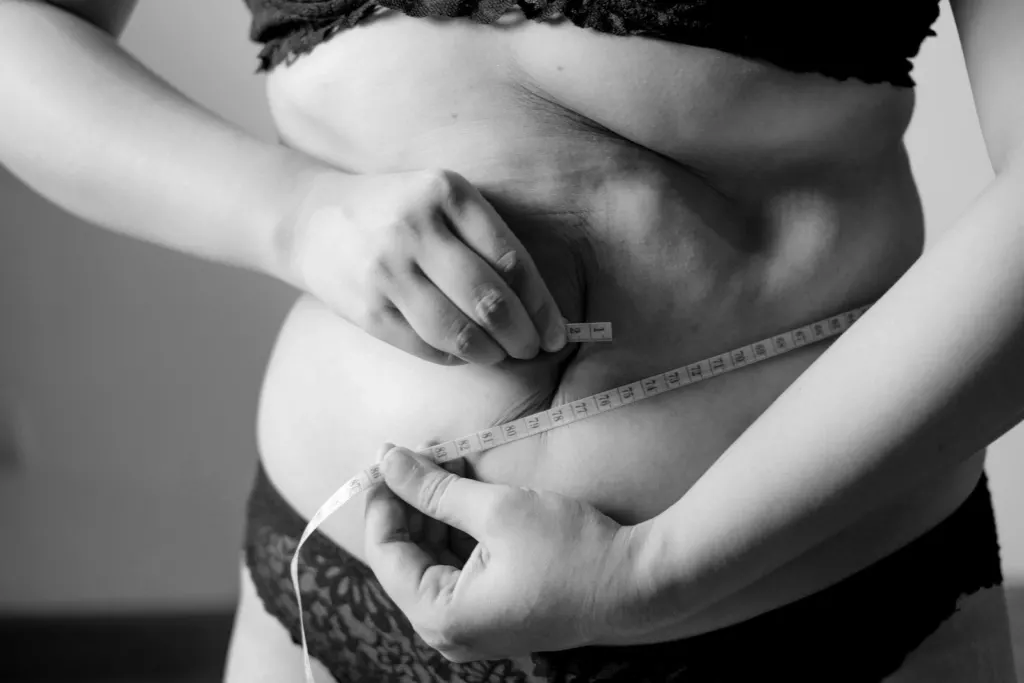
Removes excess abdominal skin and, when needed, repairs the abdominal wall.