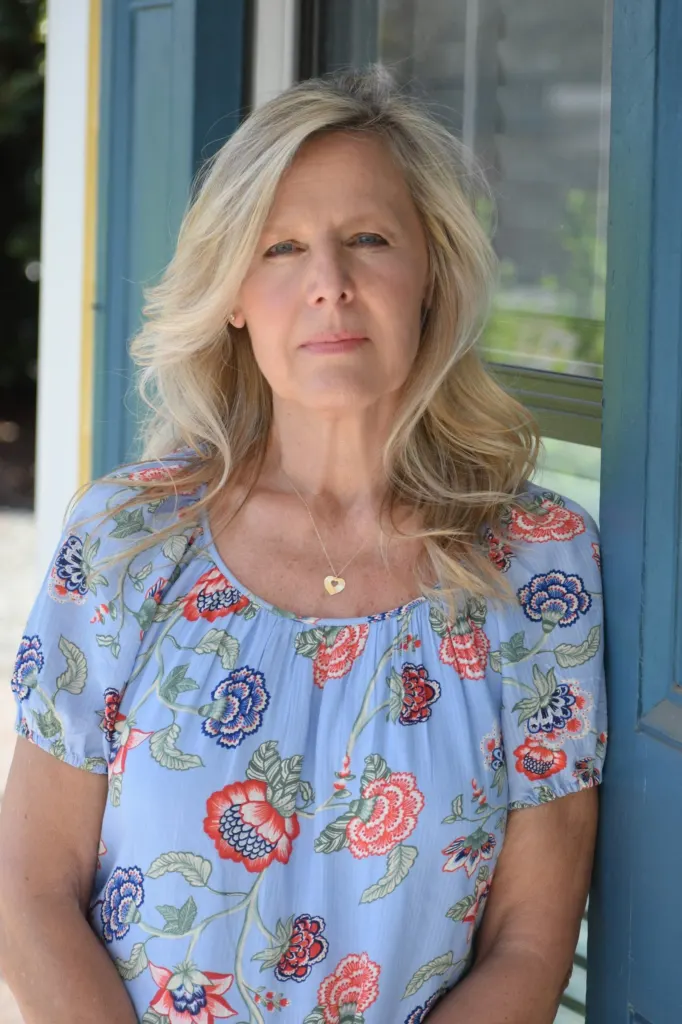
Facial surgery in Alicante
Removing excess skin from the upper eyelids and correcting bags in the lower eyelids so that your eyes look more rested. Before suggesting it, Dr Navarro examines your eyelids, your eyebrows and the health of your eyes to find out whether this is the surgery you need.
Anaesthesia
Local with sedation
Duration
1 to 2 hours
Hospital stay
Day case
Stitches
Removed after 5 or 6 days
Back to work
Between 7 and 10 days
Settled result
At around 3 months
Approximate figures. They are confirmed at your consultation for each case.
The technique
Blepharoplasty is surgery on the eyelids. In the upper eyelid, excess skin and, if needed, a small amount of fat are removed through an incision hidden in the natural crease of the eyelid. This excess skin is called dermatochalasis: it is what makes the eyelid look droopy and, in more marked cases, feel heavy and even block part of your field of vision.
In the lower eyelid, the bags are treated. They are fat that moves forward over the years. Depending on the case, access is through an incision just below the lashes, which also allows some skin to be removed, or from the inside of the eyelid (transconjunctival approach), with no visible scar. The upper eyelids alone, the lower eyelids alone or all four eyelids can be treated in the same operation.
If it is the edge of the eyelid itself that sits low, because the muscle that lifts it has weakened, this is eyelid ptosis, and blepharoplasty does not correct it: it needs a different operation. In other cases it is the eyebrow that has dropped. Telling these apart is part of your first consultation.
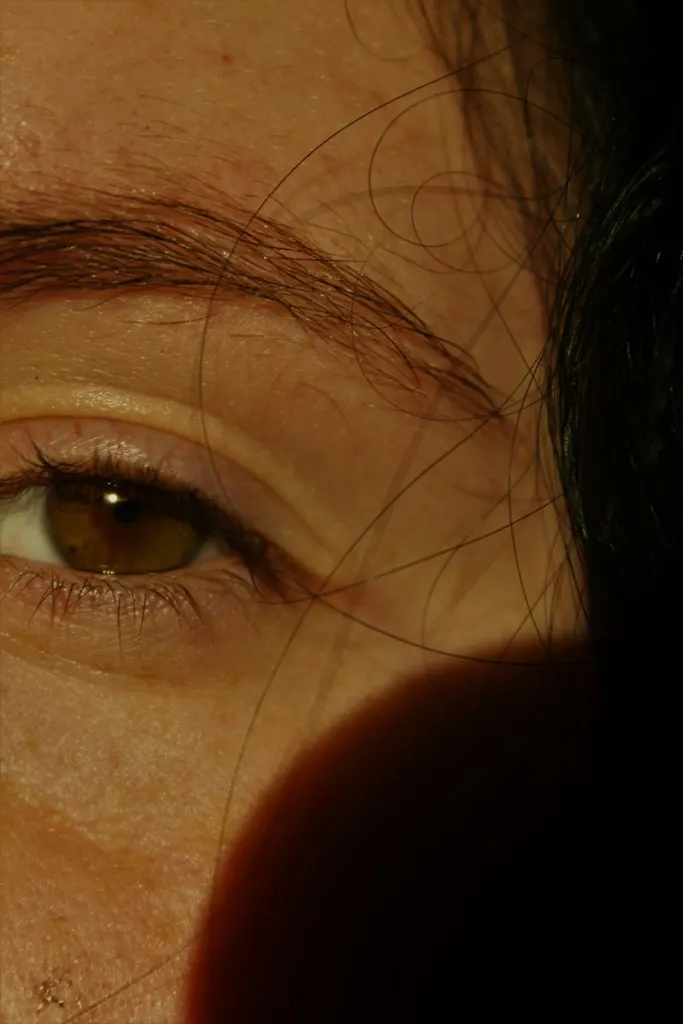
Suitability
If the problem is eyelid ptosis (the edge of the eyelid sits low) or a drooping eyebrow, blepharoplasty alone will not solve it. Nor does it correct fine wrinkles or dark circles caused by pigmentation.
If you have dry eyes or any eye or thyroid condition, this should be assessed beforehand. Dr Navarro may sometimes ask you to have an eye examination by an ophthalmologist.
Before you decide
Not all droopy eyelids are treated in the same way. At your first consultation you are seen personally by Dr Navarro, without any rush, to understand what bothers you and find out where the problem comes from.
01
What bothers you when you look in the mirror (the upper eyelid, the bags, a tired look) and whether you notice heaviness or that it gets in the way of your vision.
02
The amount of skin and fat, the position of the eyelid edge and the eyebrows, the tone of the lower eyelid and how your eyes close.
03
Whether you would benefit from surgery on the upper eyelids, the lower eyelids or all four, where the incisions will be and what recovery will involve.
04
You take the information away in writing, with the quote and the risks. You can ask about anything you are unsure of before you decide.
On the day of surgery
Before
Pre-operative tests and, if needed, an eye check. You will be given simple instructions for the days beforehand, including which medicines you should stop taking.
Start
Before starting, the skin to be removed is marked. Surgery is usually done under local anaesthesia with sedation, to make the procedure more comfortable.
Eyelids
Excess skin is removed from the upper eyelid through the crease, and the bags in the lower eyelid are treated, either just below the lashes or from the inside of the eyelid.
Finish
The incisions are closed with very fine stitches, and a lubricating eye ointment and a light dressing are applied. You go home the same day, with someone to accompany you.
Afterwards
Days 1 to 3
Swelling and some bruising around the eyes. Keep your head raised, use cold compresses and apply the prescribed ointment. You can usually read or watch television after 2 or 3 days.
Days 5 and 6
Follow-up appointment at the clinic, where the stitches are removed.
Days 7 to 10
Most patients return to work between one week and 10 days, depending on how they recover. Contact lenses may feel uncomfortable for the first few weeks.
Weeks 2 to 4
The swelling continues to go down. Wear sunglasses outdoors, use sun protection on the scars and return to sport gradually, as advised by Dr Navarro.
Around 3 months
The scar on the upper eyelid becomes less and less visible in the crease. The final appearance is assessed at around 3 months.
Important information
Like any surgery, blepharoplasty carries risks. They are uncommon, but it is important to know about them before you decide:
Dr Navarro will go through them with you at your consultation, and they will be set out in the informed consent form.
Common questions
Rather than pain, most patients describe tightness and mild discomfort for the first few days, which is controlled with standard painkillers and cold compresses.
On the upper eyelid it is hidden in the natural crease and, after a few months, is usually barely visible. On the lower eyelid it sits just below the lashes or, if the surgery is done from the inside of the eyelid, there is no external scar.
It corrects excess skin, which is the most common cause. If it is the edge of the eyelid that sits low (eyelid ptosis), a different operation is needed, and Dr Navarro will explain this at your consultation.
Usually between 7 and 10 days, depending on how the swelling settles and the type of work you do.
No. Blepharoplasty treats excess skin and bags. Fine wrinkles, crow’s feet and dark circles caused by pigmentation need other treatments.
Yes, but they may feel uncomfortable for the first few weeks. It is usual to wait until Dr Navarro gives you the go-ahead at your follow-up appointment.
The result is long-lasting, although the skin continues to age. How long it lasts varies from person to person.
It depends on whether the upper eyelids, the lower eyelids or all four are treated. The quote is confirmed after your first consultation.
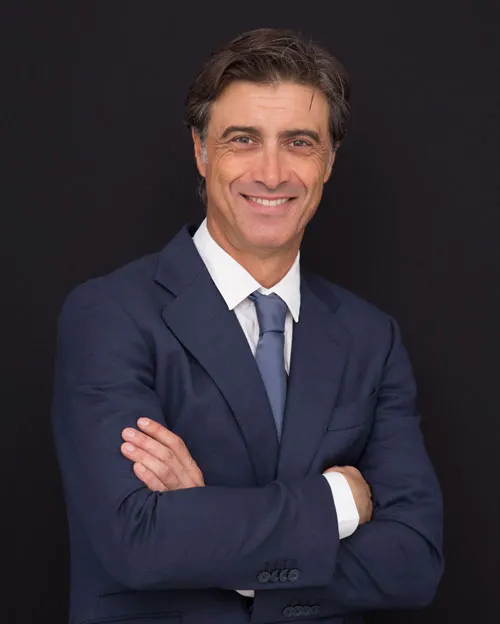
Your surgeon
Plastic surgeon in Alicante, focused on facial, breast and body surgery. He sees you personally at the first consultation, during surgery and at every follow-up.
“Every procedure is unique. My commitment is to combine advanced technique with sound medical judgement, with one clear aim: natural results in harmony with your face and body.”

Clinic at Carrer de Velázquez, 2, 03560 El Campello (Alicante)
You may also be interested in
Repositions the tissues of the face and neck once sagging has become noticeable.
A more limited version of the facelift for early sagging in the lower face.